
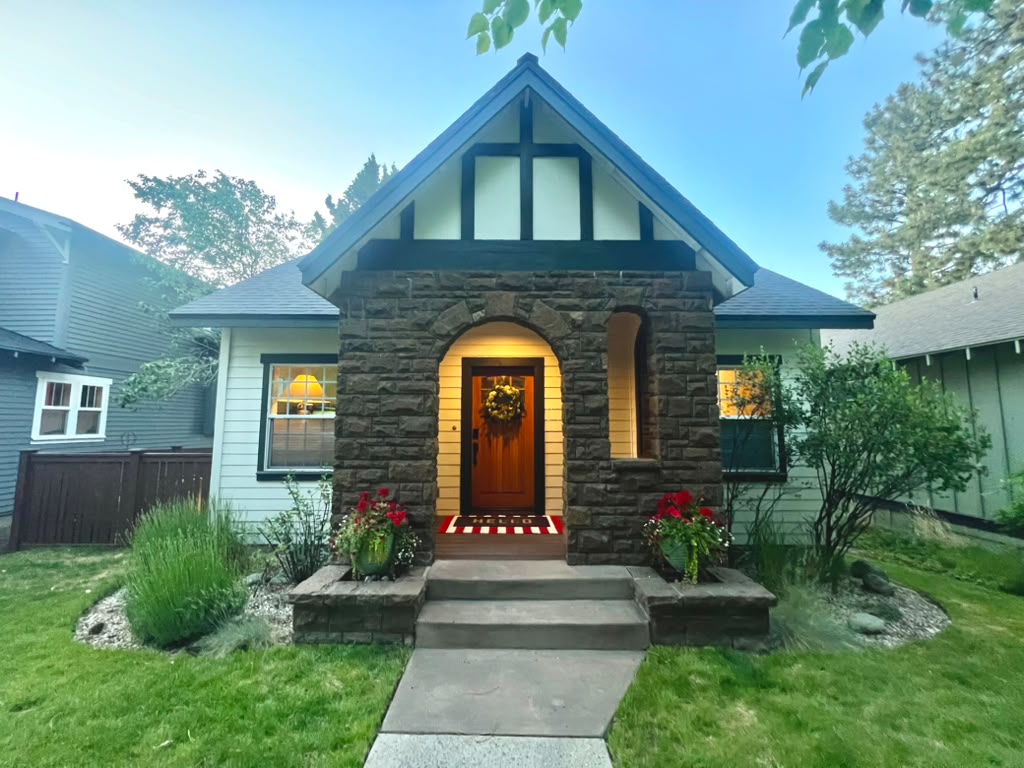
Your home should be a place where you feel comfortable, relaxed, and proud of your surroundings. Over time, walls can develop scratches, stains, peeling paint, and faded colors that make rooms look old and unattractive. Residential painting is one of the most effective ways to refresh your living space, improve its appearance, and protect interior and exterior surfaces from everyday wear.
Whether you want to update a single bedroom, repaint your entire house, or improve your home’s exterior, choosing the right paint and professional painting services can make a significant difference. With proper preparation, quality materials, and careful application, a fresh coat of paint can give your home a cleaner, brighter, and more welcoming appearance.
What Is Residential Painting?
Residential painting involves painting the interior and exterior surfaces of houses, apartments, and other residential properties. It includes walls, ceilings, doors, trim, siding, and other suitable surfaces that need a fresh finish.
Professional residential painters understand how different surfaces require different preparation methods, primers, and paint products. For example, interior walls may need washable paint that can withstand daily cleaning, while exterior surfaces require weather-resistant coatings to handle sunlight, moisture, and changing temperatures.
A well-planned painting project focuses on more than just color. It also considers surface condition, durability, finish, and the overall style of your home.
Benefits of Professional Residential Painting
1. Improve Your Home’s Appearance
Faded colors, chipped paint, and stained walls can make even a well-maintained home look outdated. Residential painting helps restore the beauty of your living space with fresh colors and smooth finishes.
You can choose neutral shades for a timeless look, warm colors for a comfortable atmosphere, or bold accent walls to add personality. The right color combination can make small rooms feel more open and help create a consistent design throughout your home.
2. Protect Walls and Other Surfaces
Paint provides a protective layer that helps shield suitable surfaces from everyday wear, minor stains, and environmental exposure. Exterior paint can help protect siding, trim, and other properly prepared materials from moisture and sunlight.
However, paint cannot fix underlying problems such as water leaks, damaged wood, or persistent mold. These issues should be addressed before painting to help prevent premature peeling and surface damage.
3. Increase Your Home’s Appeal
If you plan to sell your property, fresh paint can make a positive first impression. Clean walls, updated colors, and a well-maintained exterior can make your home look more attractive to potential buyers.
Even if you are not planning to move, residential painting is a practical way to maintain your property’s appearance and support its long-term upkeep.
4. Create a Healthier-Looking Living Environment
Dust, fingerprints, and everyday marks can accumulate on walls over time. Repainting after proper cleaning and surface preparation helps create a fresher indoor environment.
For interior projects, consider low-VOC or zero-VOC paints when suitable for your needs. These products can help reduce certain emissions during and after application, although proper ventilation and adherence to manufacturer instructions remain important.
Interior vs. Exterior Residential Painting
Understanding the difference between interior and exterior painting helps you choose the right products and approach for your project.
Interior residential painting focuses on bedrooms, living rooms, kitchens, bathrooms, hallways, ceilings, doors, and trim. The goal is to create attractive, functional spaces using finishes appropriate for each room. Washable paints may be helpful in busy areas, while moisture-resistant products designed for suitable bathroom surfaces can be useful in humid environments.
Exterior residential painting improves the appearance of siding, fascia, trim, and other paintable outdoor surfaces. Exterior projects require careful attention to weather conditions, surface preparation, and paint compatibility. Using products designed for outdoor exposure helps support a durable finish.
Both types of painting benefit from professional planning, thorough preparation, and attention to detail.
How to Prepare Your Home for Residential Painting
Proper preparation is essential for achieving a smooth, long-lasting finish. Skipping this step can lead to uneven coverage, visible imperfections, and premature paint failure.
A typical residential painting project may include the following steps:
- Inspect the surfaces: Identify peeling paint, cracks, stains, loose material, and other imperfections that need attention.
- Clean the area: Remove dust, dirt, grease, and other contaminants that could affect paint adhesion.
- Repair minor damage: Fill suitable small holes and cracks, sand rough areas, and allow repairs to dry properly.
- Protect furniture and floors: Cover belongings, move furniture where practical, and use masking materials to protect nearby surfaces.
- Apply primer when needed: Choose a suitable primer for bare surfaces, repairs, stains, or significant color changes.
- Apply the paint: Use the appropriate tools and application method to achieve consistent coverage and a professional-looking finish.
- Inspect the results: Check for missed areas, uneven coverage, and imperfections, completing touch-ups as necessary.
Professional painters can manage these steps efficiently while helping reduce disruption to your household.
How to Choose the Right Paint Colors
Selecting paint colors can feel overwhelming because lighting, furniture, flooring, and room size all influence the final appearance. Start by considering how each room is used and the atmosphere you want to create.
Light neutrals such as soft white, beige, and light gray can create a clean, versatile background. Warm earth tones can make living rooms feel inviting, while soft blues and greens may suit bedrooms or quiet spaces.
Before committing to a color, test samples on your walls and observe them under natural and artificial lighting. Also consider the finish. Matte paint can help minimize the appearance of minor wall imperfections, while satin or semi-gloss finishes may be more suitable for certain high-traffic areas, trim, and frequently cleaned surfaces.
A professional painter can help you compare color options, choose appropriate finishes, and coordinate shades throughout your home.
How Much Does Residential Painting Cost?
The cost of residential painting depends on several factors, including the size of the property, the number of rooms, surface conditions, paint quality, and the complexity of the project.
Additional preparation, repairs, high ceilings, detailed trim, and major color changes may increase labor and material requirements. Exterior painting costs can also vary depending on the building’s height, surface material, accessibility, and existing paint condition.
To understand your expected investment, request a detailed estimate that explains the preparation work, paint products, number of coats, labor, and any additional charges. Comparing estimates based on the same scope of work makes it easier to evaluate value rather than choosing a contractor based on price alone.
Why Hire Professional Residential Painters?
While painting a room yourself may seem straightforward, achieving consistent results across an entire home requires planning, suitable equipment, surface preparation, and application skills.
Professional residential painters can help you select suitable products, prepare damaged surfaces, protect your belongings, and maintain a consistent finish. They can also help organize the work to minimize inconvenience and complete the project according to an agreed schedule.
When choosing a painting contractor, review previous work, check customer feedback, confirm insurance where applicable, and request a written estimate. Clear communication about colors, finishes, preparation, and project timing can help ensure that your expectations are understood.
Conclusion: Give Your Home a Fresh New Look
Residential painting is a valuable way to refresh your home, protect paintable surfaces, and create an environment that reflects your personal style. From updating interior walls to improving exterior curb appeal, the right painting approach can make your property feel cleaner, brighter, and more inviting.
By choosing suitable colors, investing in proper preparation, and working with experienced painting professionals, you can achieve attractive results that last. Whether you need a single-room refresh or a complete home makeover, start by assessing your property’s needs and requesting a detailed painting estimate. A carefully planned residential painting project can help you enjoy a more beautiful and comfortable home for years to come.